How to Choose a Custom Home Builder in Ontario: 7 Things to Check
Choosing a custom home builder in Ontario? Check these 7 things: HCRA licence, Tarion warranty, budget and more. Book a free consultation today.
07 mins read

To choose a custom home builder in Ontario, check seven things: an HCRA licence, Tarion warranty enrolment, a clear design-build process, a detailed budget, a portfolio of finished homes, proper insurance and WSIB coverage, and clear communication. Verify each in writing before you sign anything.
Key Takeaways
Ontario law requires builders of new homes to hold an HCRA licence. Check it yourself.
Mandatory, Tarion-backed warranties protect most Ontario homes under seven years old. Confirm your builder’s enrollment in writing.
A line-by-line budget tied to drawings prevents surprise costs.
Finished homes and past clients show real quality.
Design-build keeps design, pricing and construction on one team.
Choosing a custom home builder is likely the biggest decision of your project. The builder you pick shapes your budget, your schedule and how stressful the next year feels. Yet many homeowners choose based on a quote or a friendly first call. That is risky. Licences, warranties, contracts and insurance matter more than a polished brochure, and skipping one check can cost you years later. This guide gives you seven checks to run before you sign, so you can compare Ontario builders with confidence.
What Is a Custom Home Builder?
A custom home builder constructs a one-of-a-kind house to your design on land you own or buy. Unlike a production builder, which sells fixed models in a subdivision, a custom builder tailors the layout, finishes and structure to your lifestyle. Many offer design-build service, which keeps design and construction under one contract.
1. Check the HCRA Licence
Ontario law requires everyone who builds or sells new homes to be licensed by the Home Construction Regulatory Authority (HCRA). Licensed builders have shown knowledge of financial planning, project management and Building Code requirements. Ask to see the licence, then confirm it in the HCRA’s Ontario Builder Directory. The directory also shows how many homes the builder has constructed and whether the HCRA has taken regulatory action. Cannot find the builder? Call the HCRA at (416) 487-4272. Treat a missing licence as a stop sign.
2. Confirm Tarion Warranty Enrolment
Tarion administers Ontario’s new home warranty. The HCRA says most new Ontario homes under seven years old are protected by mandatory warranties provided by the builder and backed by Tarion. In plain terms:
Year 1: defects in work and materials
Year 2: issues such as water penetration and major systems like plumbing and heating
Years 3 to 7: major structural defects
Ask the builder to confirm Tarion enrolment in writing before you sign. YouNique Building Group lists itself as a Tarion certified home builder.
3. Look for a Design-Build Process
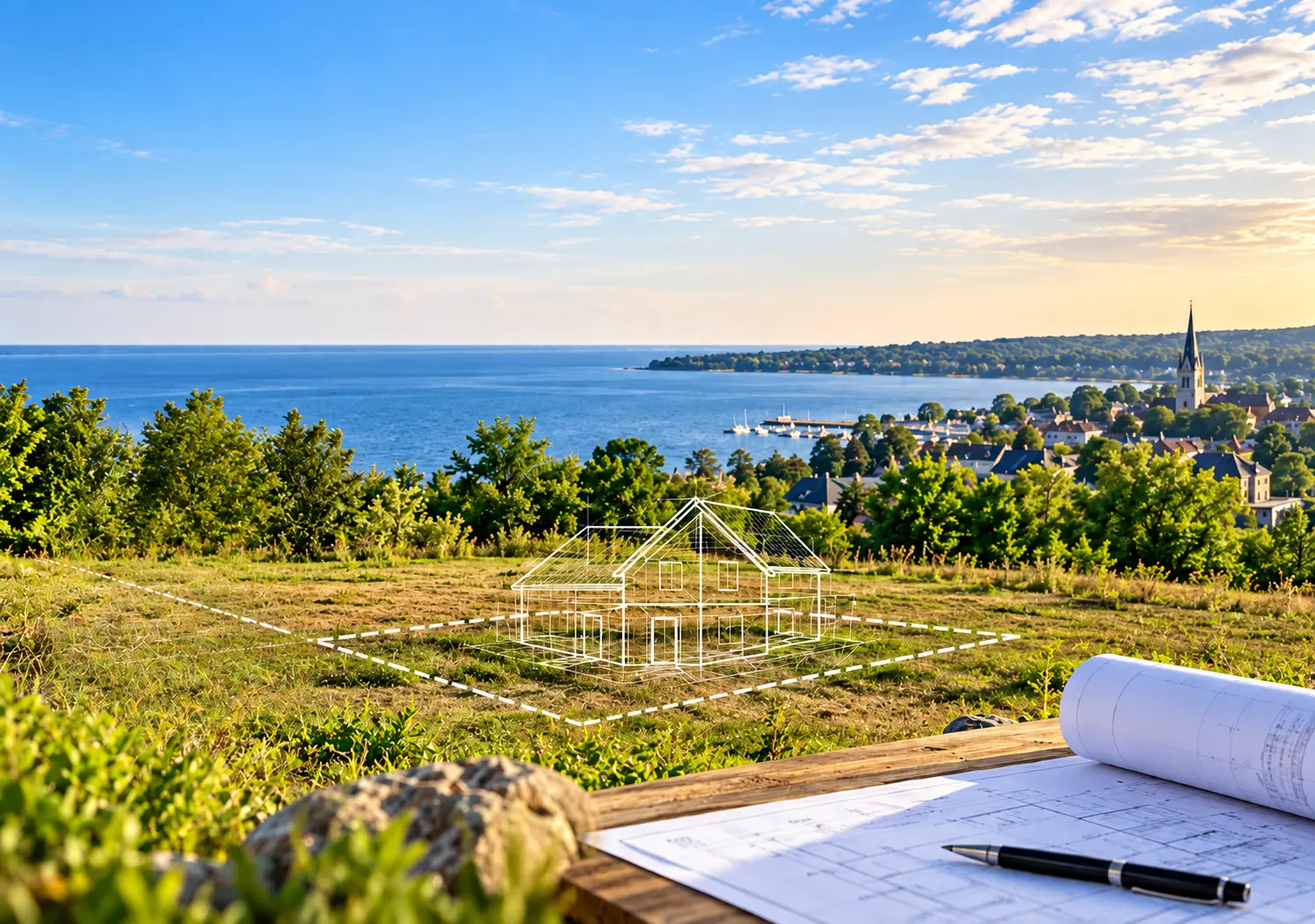
In a design-build firm, one team handles design, pricing and construction. That closes the gap between what the designer draws and what the builder can deliver at your budget. YouNique’s process starts with a free 45-minute Zoom consultation. Next come floor plans, engineered drawings, 3D renderings and a line-by-line budget, so you see the home before construction begins. For more planning tips, read 4 Things to Know Before You Design Your Custom Home.
4. Demand a Detailed Budget and Contract
Vague budgets cause most disputes. Ask for a line-by-line budget tied to drawings and a material list. Get these items in writing:
Scope of work and final drawings
Material specifications and allowances (money set aside for items you have not chosen yet)
A payment schedule tied to milestones
How change orders work (a written change to the original scope and price)
Compare quotes line by line, not by the bottom line. YouNique reports change orders under 1%, which comes from detailed planning before work starts. You can also read about the hidden costs of building.
5. Review Finished Homes and Past Clients
Photos show style. Visits show quality. Ask to tour a finished home and to speak with two or three recent clients. Read Google reviews too. For a benchmark of the proof to expect, see YouNique’s portfolio and client testimonials.
6. Verify Insurance, WSIB and Trades
Ask for proof of liability insurance and a WSIB clearance certificate. WSIB is Ontario’s workplace safety and insurance board. A clearance certificate shows the builder’s account is in good standing, which helps protect you from liability issues. Also ask who supervises the trades each day.
7. Test Communication and Local Knowledge
Pay attention to how a builder answers questions before you sign. It often predicts how they will communicate during construction. Ask who your daily contact is, how often you will get updates and who handles permits and inspections. Local knowledge matters too, because zoning, septic and well rules, and approvals differ by municipality. Ask where the builder has worked before, and whether they serve your area.
Builder Checklist at a Glance
Check | How to Verify | Red Flag |
HCRA licence | Ontario Builder Directory or HCRA phone line | Cannot be found, or “no licence needed” |
Tarion enrolment | Written confirmation before signing | Vague talk of “our own warranty” |
Budget | Line-by-line, tied to drawings | Large lump-sum allowances |
Past work | Visit a home, call recent clients | Only stock or rendering photos |
Insurance and WSIB | Certificates on request | Excuses or delays |
Communication | Named contact, update schedule | Slow, unclear replies |
Example: A YouNique Custom Home in Watermark on the Bay
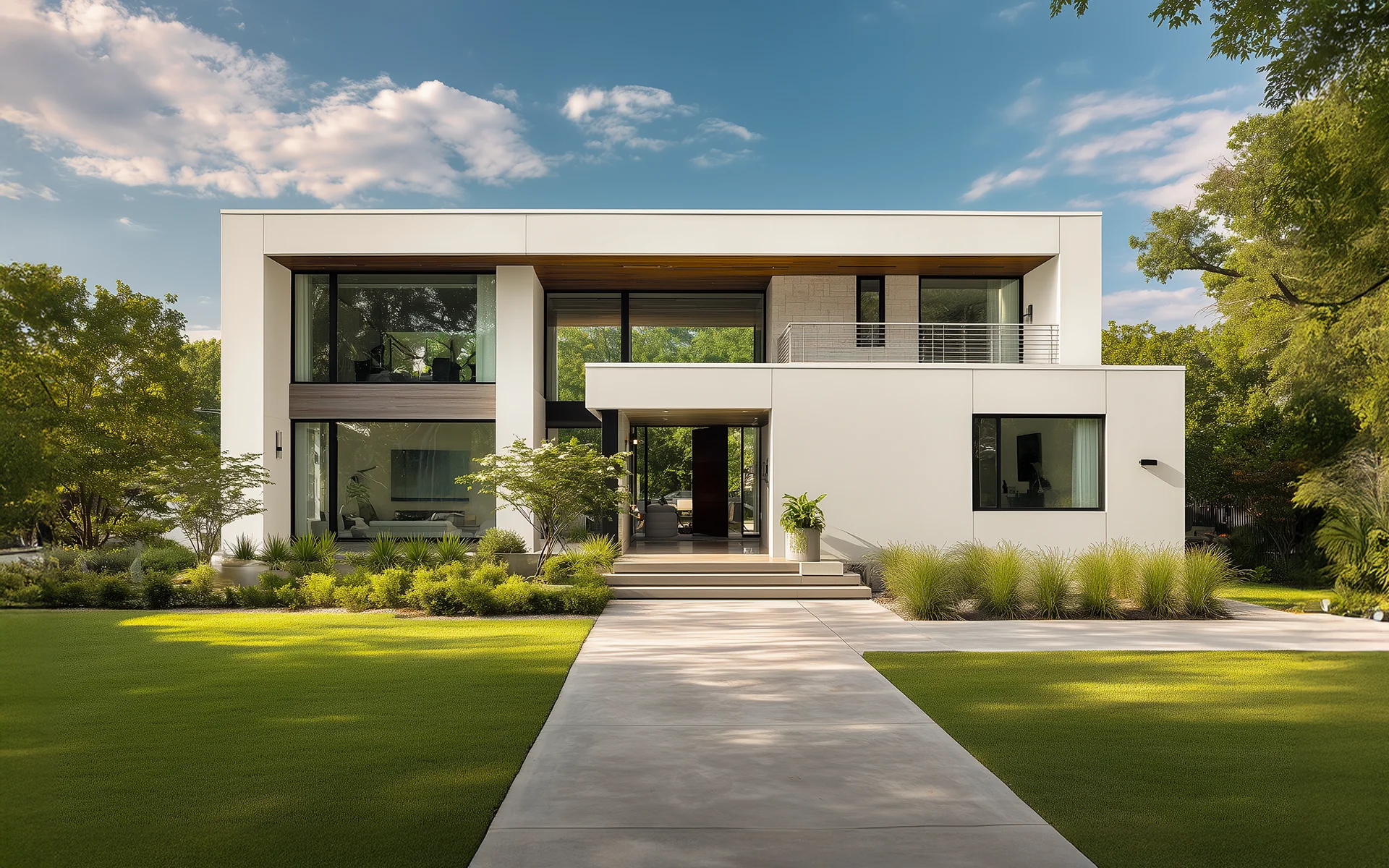
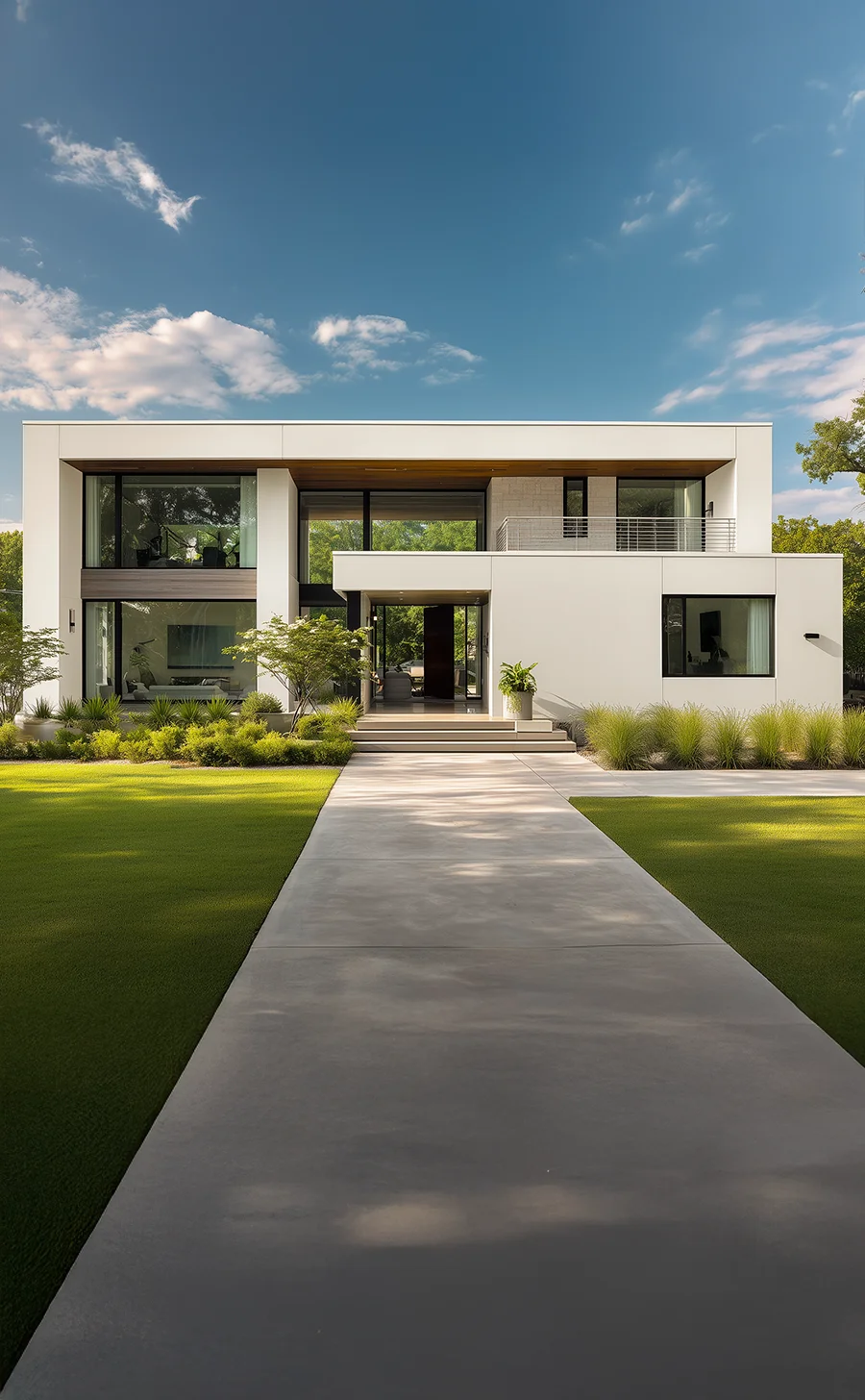
YouNique designs and builds luxury custom homes. Its Carlington is a 2,662 sq. ft. bungaloft in the Watermark on the Bay community, close to Belleville and Prince Edward County. The 0.96-acre lot has sightlines to the Bay of Quinte. The plan has three bedrooms, four bathrooms, 20-foot ceilings, a chef’s kitchen with porcelain counters and a spa-like five-piece ensuite. The two-storey Kennington offers optional ICF (insulated concrete forms) construction. Browse all custom home models to see how a builder shows floor plans and finishes.
Build With Confidence
A good custom home builder passes all seven checks: a verified HCRA licence, Tarion enrolment, a clear design-build process, a detailed budget, finished work you can see, proper insurance and open communication. Get everything in writing, and take your time comparing custom home builders in Ontario. If you are planning a custom home in Ontario or the GTA, book a free consultation with YouNique Building Group to talk through your lot, plans and budget.
Frequently Asked Questions
How do I verify a custom home builder is licensed in Ontario?
Search the builder’s name in the HCRA’s Ontario Builder Directory. The listing shows how many homes the builder has built and any regulatory action. If you cannot find the builder, contact the HCRA. Ask to see the licence, and confirm it matches the company name on your contract.
What does the Tarion warranty cover on a new custom home?
Tarion administers Ontario’s new home warranty. It includes a one-year warranty for defects in work and materials, a two-year warranty for issues like water penetration and major systems, and a seven-year warranty for major structural defects. Limits and rules apply, so check Tarion’s website for current details.
How much does it cost to build a custom home in Ontario?
Cost depends on size, site, servicing, design and finishes, so a firm price needs drawings and site details. Ask for a high-level range early, then a line-by-line budget once the design is set. YouNique provides a high-level budget range at its consultation.
What is the difference between design-build and traditional building?
In design-build, one company handles design, pricing and construction under one contract. In the traditional model, you hire a designer first, then ask builders to bid on finished plans. Design-build can reduce miscommunication, while the traditional model gives you separate bids to compare.
What should I ask a custom home builder before hiring?
Ask for their HCRA licence number, Tarion enrolment, a sample contract, a line-by-line budget, proof of insurance and WSIB clearance, and recent references. Also ask who your daily contact is and how they handle change orders, permits and inspections.